July 19 – fort resolution
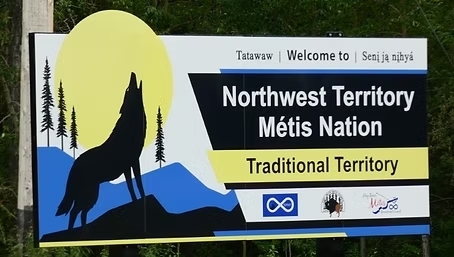
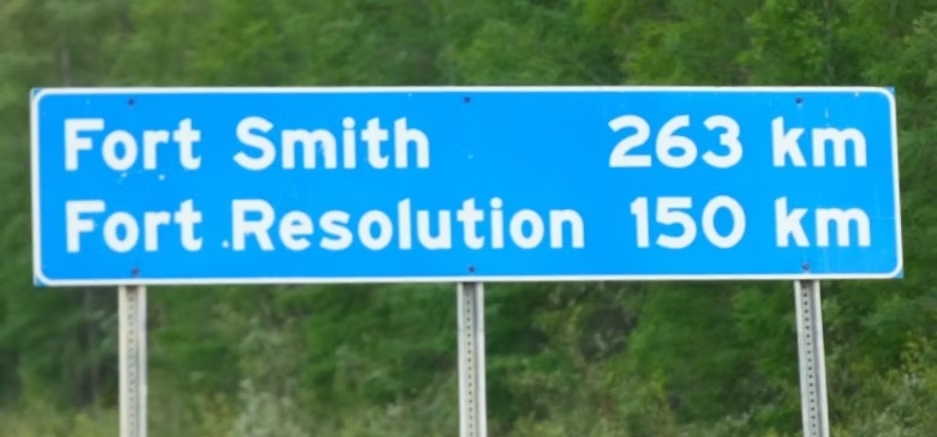
Fort Resolution is a Metis community on the south end of Great Slave Lake. It is on Highway 6 and is 150 kilometers from Hay River.
First located at the mouth of the Slave River, Fort Resolution (population 499), is the oldest continuously occupied modern settlement in the NWT. It was the first Hudson’s Bay Company fur trading post on Great Slave Lake, and it moved to its present location a few kilometers to the southwest along the lakeshore in 1796. The first settlers were Cree-Metis. By 1852, Oblate priests had arrived to establish a mission and school. Treaty 8 was formally signed with the Chipewyan here in 1900. Fort Resolution was a major medical and educational centre until the 1950s. Trapping remains the key industry, along with commercial fishing and timber harvesting.

Traditionally known as Deninu Kúé or “moose Island place”, it also serves as the headquarters of the Deninu Kúé First Nation. The beach here is a gorgeous spot for swimming, birdwatching, and fishing, but this year the locals said the lake has dropped more than 2 feet. There is an airport, but it only services charter and medevac flights. The fishermen use Fort Resolution as the main launching point when heading out into the east arm of Great Slave Lake.
It is in the middle of nowhere, and there is basically nothing there. We did find a grocery store with a ‘restaurant’ in the back. We went to the band office to ask where the golf course was. There was an awesome chair made from moose horns with carvings.
INSERT MOOSE CHAIR
We found the golf course, which is basically a cow pasture with no cows, but we did not golf. They have some campgrounds there, along with a few beautiful cabins to stay in.
INSERT CRAPPY GOLF COURSE
The town is in the middle of getting ready for the ‘Hand Games’ in 2 weeks. People are coming from miles around. The town is expecting up to 800 additional people. I have never heard of these games, so I had to Google them. Here is a link that explains the game. https://www.youtube.com/watch?v=IgznW43DLbg It’s a ‘tricksters’ game. I would love to see them as they look like a lot of fun.

On the way back, we stopped at the ghost town of Pine Point. Pine Point was built in 1964 by Cominco Ltd. but the open-pit lead-zinc mine shut down when the value of lead plummeted in 1987. Once one of the biggest mining towns in the North, Pine Point is now an eerie network of paved roads and sidewalks being overtaken by the wilderness. Many of the buildings were sold and moved to Fort Resolution, including the hockey arena. Steve’s dad was working in the area at that time (1963-64). The shares were penny stocks, but they had no money to invest. Within months, the stock split and split again. People who invested a few thousand dollars, walked away a few years later with a few hundred thousand!
We checked out the Little Buffalo River Crossing Territorial Park Campsite. There was a forest fire nearby, so there were no campers. Normally, the campsite would be full of Mennonite families from Le Crete, Alberta, fishing for northern pike and walleye.
Katlodeeche First Nation Reserve. This is directly across the river from the town of Hay River, but you have to drive over the highway bridge to Fort Smith, turn off, and drive twelve kilometers. Commonly known as the Hay River Reserve, the Katldeeche Dene Reserve is 1 of only 2 reserves in the NWT.
INSERT RESERVE PHOTOS
The church is the Anglican Church. The gazebo contains the official apology from the Anglican Church for the schools and treatment of the people. I took a photo of it, but it was too blurry to add.
Photos of one of the cemeteries.
We were surprised that NO grave had a name attached to it. I asked why at the Visitors Information Centre, and they were surprised too. But the girls working there were still in school, and this was their summer job, so I didn’t expect them to know. I will have to ask at the local pub in Hay River. Everybody in there knows everything 😉 wink wink.